Brewery Marketing Ideas & Promotional Strategy Tips for 2025
Scott Kalapos on Jul 17, 2025
The increase in home-brewing beer in the late 1970s led to a rise in microbreweries launching in the late 80s and early 90s. The craft beer industry has only continued to grow, with 9,796 operating U.S. craft breweries in 2024 (opens in a new window), according to the Brewers Association.
Breweries and craft beer producers are not immune to challenges. They face rising operating costs, increased competition from RTD cocktails, and inflation-hit consumers. 2024 marked the first time since 2005 that there were more brewery closures than openings, and there was a 4% decline in craft beer production (opens in a new window). This makes effective marketing for critical than ever for brewing companies.
Success in today’s brewery market requires strategic marketing efforts to spread brand awareness and creative taproom experiences to engage your target audience. Both traditional and digital strategies are a must. We’ve got tips for you to catch the attention of potential customers and turn them into word-of-mouth advocates for your beer.
Before Starting Your Brewery Marketing Campaigns
Your brand identity is more than logos and labels. You have a complete story behind your brewery and the personality of your beer. Before launching any marketing campaigns, establish clear brand guidelines that will drive consistent messaging across all channels.
As you get ready to start your marketing plans, the first step is to set a marketing budget. For reference, marketing budgets for established breweries (opens in a new window) are 3-6% of total revenue, with larger craft breweries often allocating 10-15% and startups generally allocate 12-20% of gross revenue to marketing efforts.
Then you need to ask yourself, who is my target audience? Your target audience may span different interests and demographics, for example:
- Craft beer enthusiasts who appreciate unique flavors and different brewing techniques
- Social drinkers who enjoy beer, but come for the atmosphere of the taproom
- Experience seekers like foodies who come to try new and different flavors and pairings
- Niche audiences like health-conscious consumers if you offer organic beers
After you define your target audience, you should also define your market segments to plan how to attract these new customers. What are the market segments for a brewery? Market segments for a brewery can include local residents, tourists, other bars and restaurants that will offer your beer, retail shops, and event planners that will buy your beer for their events.
What is the difference between beer marketing and brewery marketing?
Beer marketing focuses on promoting a specific beer from your brewery’s product line. Most breweries have a flagship beer or two that stay on tap year-round, while new beers may come and go. Your beer company will have smaller campaigns around promoting the individual beers. They highlight flavors, ingredients, seasonality, and maybe even limited edition label designs or collectable messages under the bottle cap.
Brewery marketing involves promoting the brewery and all of its products. This includes strategies to increase brand awareness, attract customers, and drive beer sales. Your brewery marketing strategy will encompass advertising, social media, events, collaborations, and direct consumer engagement.
Creating Your Brewery Marketing Strategy
To build awareness for your craft brewing business and to capture a larger market share of the projected $210.78 billion market (opens in a new window), you’ll need to plan a strategy that includes several marketing channels and creative ideas. From social media marketing to tasting room events, our marketing team at 4AllPromos has some ideas to get you started on your brewery marketing strategies.
1. Leverage Social Media
Over 80% of US adults use some sort of social media platform. Instagram is the most popular platform for craft breweries, but success requires more than just posting beer photos. With 58% of Instagram users (opens in a new window) becoming more interested in brands after seeing them in Stories, your social media marketing strategies should include high-quality visual content. Create videos of your behind-the-scenes brewing process, educational info about beer products, and reels to hype up events.
What are some successful social media strategies for craft breweries? Take advantage of user-generated content (UGC) that your loyal customers post by re-sharing their images and videos on your pages when they tag you. Remember that social media is just that, social. Engagement and interaction with followers through comments, messages, and answering questions are important. This will encourage customers to share their experiences, tag your brewery, and signal to the algorithm that people want to see your posts.
You can boost your social media followers and engagement rate when you are first starting your pages with social media contests and giveaways. Your contests can include prizes like a complimentary growler, branded koozies, bottle openers, pint glasses, or beers to go. This will encourage the winner to come to the brewery to pick a beer, take it home to share with friends and family, and put your beer in the glasses of more people.

2. Host Events and Brewery Tours
Create memorable experiences that build lasting customer relationships through regular tours, tastings, and social events. Tours of your brewing facilities educate customers about your backstory, brewing process, and products. You’ll create a deeper connection with your audience and be more likely to create a loyal customer base with that personal relationship.
After tours, it’s a great idea to offer tastings or beer flights so the visitors can try your beers too. Holding regular tasting events and food pairings can also be a way to attract higher-income foodies and beer enthusiasts to your taproom.
You can expand your audience by hosting social events, Mardi Gras parties, live music, or festivals at your brewery. Comedy shows, trivia nights, and paint and sips are easy ways to draw in crowds and create a community atmosphere.
3. Engage with the Community
Summer is prime time for getting a booth at a street festival and selling your beer at carnivals or fairs. Participate in or sponsor local community events and charitable activities to build goodwill and brand recognition. Doing so will get your name in local newspapers, radio stations, and TV channels when they advertise the event.
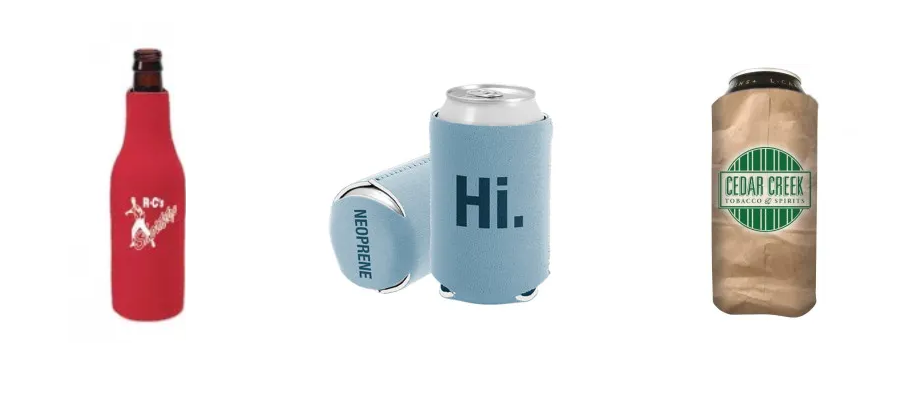
In addition to getting more attention, you’ll also build relationships with the people you plan on serving most. Getting to know faces and names will help create loyal patrons who willingly market for you by word of mouth. Make sure you stock up on promo giveaways when you head to events to give your prospects something to go home with. Koozies are a great choice and will help them keep their beers cold all day.
4. Collaborate with Local Businesses and Artists
Partner with local restaurants, bars, and cafes to feature your beers on their menus. You can collaborate with other local brands for co-branded events or products, like limited-edition brews. This allows you to get your product into the hands of a customer base already loyal to a partner establishment.
When you’re making limited edition brews, hire local artists for the labels, promotional glassware, and marketing designs. Working with local talent will make the beer easily recognizable on a shelf to catch the attention of shoppers. It also demonstrates a connection with the community and respect for the artists to foster loyalty.
5. Participate in Beer Festivals and Competitions
With marketing budgets for breweries composed mainly of hustle and elbow grease, craft brewers are in constant search of low-cost, high ROI marketing strategies. Seasonal beer festivals and tastings offer direct customer interaction opportunities that digital marketing cannot replicate.
Attend or sponsor local, regional, and national beer festivals to showcase your products. This type of festival will draw crowds that already have a general interest in the product you make. Offer samples, merchandise, giveaways, and swag to make sure they remember your brand the next time they go out for a beer.
Entering your beers into competitions will also bring attention to your brand. Winning or scoring high will gain recognition and awards, which can boost credibility and visibility. It’s a great way to show your expertise in brewing and opens doors with distributors and retail accounts
Most breweries do a poor job of standing out at these events, showing up with only standard foldout tables and banners. Successful breweries use creative props, unique serving setups, or distinctive branding elements. Use your booth to draw attention, and once they’re there, collect contact information and give them promotional products to convert tastings into sales.
6. Create a Digital Marketing Strategy to Build a Strong Online Presence
Outside of social media, you’ll also want to have digital marketing channels that drive discovery and sales. A professional, user-friendly website with detailed information about your brewery, products, events, and online store is the foundation of your digital presence and how people will find you on search engines.
Consider investing in local SEO to optimize your website for “near me” searches and people exploring map apps. This will bring new customers to your site and brewery from organic clicks and pay for itself in the long run. Use keywords related to your brewery and beer types to jump ahead on the results page.
Email marketing is another great way to get your news, sales, and beer releases right in front of your existing customers. Email marketing has an average ROI of 4,200%, making it one of the most effective marketing channels available. Build email lists through website signups, the information you collect at beer festivals, and loyalty programs. Lead magnets, like a quiz or survey, are interactive ways to match up customers to beers they’re more likely to enjoy, and in exchange, you get their information for your email lists.
7. Sell Branded Merchandise
Selling branded merchandise like logo t-shirts, hats, glassware, and bottle openers creates touchpoints that extend your brand beyond the taproom. Visitors can pick up a souvenir when they visit and end up spreading awareness for your brand.
At events or at the taproom, consider promotional items and giveaways of branded products like stickers or keychains. This lets the customer take something home and remember the experience and your beer.
You can also use branded merchandise as a loyalty rewards program that encourages repeat business and spreads awareness for your brand. These items can range from low-cost promos like sunglasses and beanies to premium gifts like barware and coolers. A great idea to promote reuse and sustainability is to offer a free pint with the return of 10 can clips or a discount on growler refills.

8. Influencer Marketing and Sponsorships
Partner with local influencers and food and beverage bloggers who can reach your target audience. These professionals can create authentic content about your brewery and share it with the audiences they have that trust their recommendations. While influencers with hundreds of thousands of followers seem like the best option, micro influencers often have more highly engaged local audiences.
Instead of hiring an influencer, sponsor food and beverage events, adult beer league rec sports, or fundraisers to get your name out there. This audience is already interested in craft beer and just needs a little nudge into your brand.
9. Stay Up To Date On Latest Trends
In our fast-paced digital world, it’s important to stay current. What are the latest trends in craft brewery marketing? The latest trends in craft brewery marketing include:
- Sustainability - Highlight your eco-friendly practices and recyclable packaging. Look into earth-friendly materials like wheat straw for your can carriers and check our environmentally conscious apparel and eco-friendly promotional products too.
- Health-conscious options - Offering low or no-alcohol options allows everyone to enjoy your product. You can also create low-calorie and organic beers.
- Alternative options for non-beer drinkers - Offer something for everyone at the taprooms to include everyone in a group. Ciders are a great gluten-free option, and mead can really make a buzz for your brand.
- Digital and Accessible Experiences - Create online materials that walk people through tasting and online brewery tours. At your location, you can use accessibility apps and Bluetooth beacons like RightHear (opens in a new window) that make your space more friendly for visually impaired customers.
- Storytelling - Share the story of each beer on the label, or hide “easter eggs” on the cans to make customers want to buy more to learn more.
- Limited-Edition Brews - Limited-edition and seasonal brews to keep your offerings fresh and exciting. This is a great way to encourage customers to sign up for an email list because they’ll be the first to know about releases.
- Brewery Experiences - Offer unique experiences like brew-your-own-beer sessions or beer-making workshops.
- Beer Subscription Services - Offer monthly subscriptions for your beers. This will let customers never run out and give them the first chance to get their hands on a seasonal or limited beer.
- Collaborative Brews - Create partnerships with other breweries or local businesses for special editions. If your state allows it, consider a CBD beer to hop on this trend.

Brew Up Success for Your Brewery
With these tips and ideas, your in-house marketing manager can get started on brewing your marketing strategies. It’s a good idea to choose specific metrics to measure throughout the campaign to know if your strategies are working or if they need to be tweaked.
Start your marketing efforts with an order of promotional products to boost your brewery’s visibility. 4AllPromos carries customizable beer glasses, Belgian ales, pilsners, and steins for lager. We can also add your logo to pint glasses, pitchers, and growlers for your bar.
Shop our catalog to stock your taproom with branded bar essentials, promotional giveaways with your logo, and to create branded merchandise to sell in your establishment.
Sources
- Brewers Association. (2025, May). Brewers Association reports 2024 U.S. craft brewing industry figures. Retrieved July 16, 2025, from https://www.brewersassociation.org/association-news/brewers-association-reports-2024-u-s-craft-brewing-industry-figures/ (opens in a new window)
- Gribbins, K. (2025, April 16). The year in craft beer: Growth slows, strategy shifts but success still brews. Craft Brewing Business. Retrieved July 16, 2025, from https://www.craftbrewingbusiness.com/business-marketing/the-year-in-craft-beer-growth-slows-strategy-shifts-but-success-still-brews/ (opens in a new window)
- Metrobi. (n.d.). Why your brewery marketing budget matters. Retrieved July 16, 2025, from https://metrobi.com/blog/why-your-brewery-marketing-budget-matters/ (opens in a new window)
- Fortune Business Insights. (2022, January). Craft beer market share, analysis: Global industry trends, 2020–2027. Retrieved from https://www.fortunebusinessinsights.com/industry-reports/craft-beer-market-100736 (opens in a new window)
- Sked Social. (n.d.). Instagram Stories marketing. Retrieved July 16, 2025, from https://skedsocial.com/blog/instagram-stories-marketing (opens in a new window)