Getting Ready for Your First Trade Show - Timelines, Tips, & How to Prep
Scott Kalapos on Aug 8, 2026
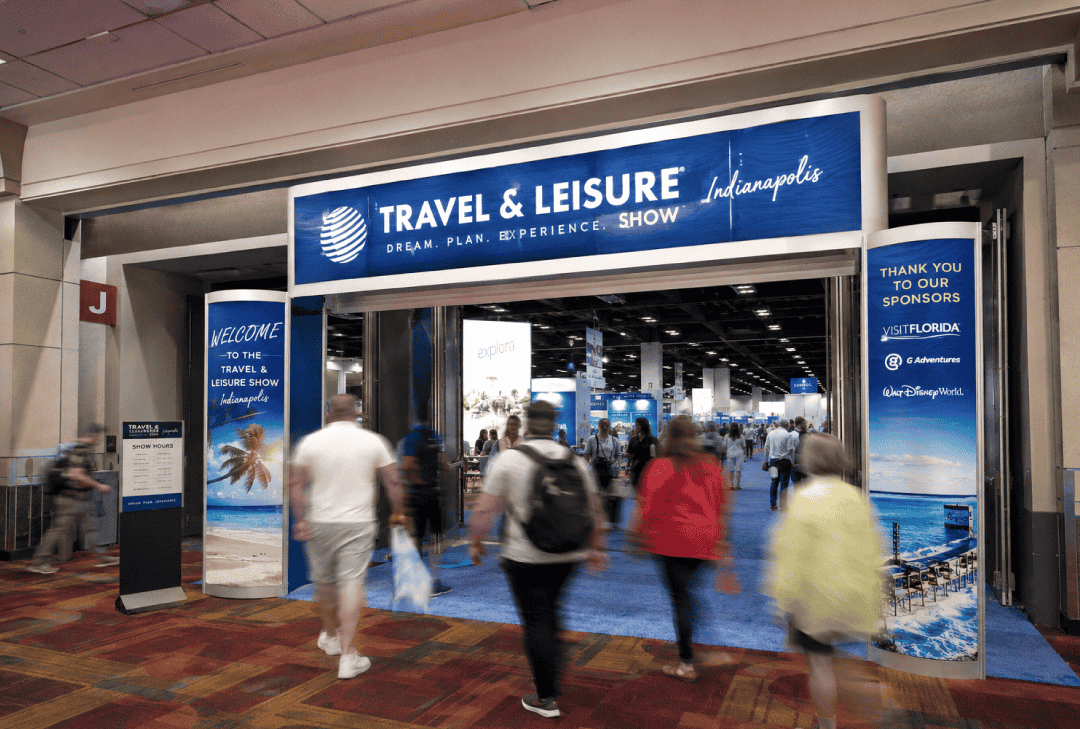
Your first trade show is exciting, but it is a lot to plan. The good news is that it doesn’t have to be overwhelming. Between booth displays, shipping deadlines, giveaways, staff schedules, and unexpected fees, it's easy to overlook something important.
Thousands of companies have been exactly where you are. After helping businesses prepare for trade shows for more than 20 years, we’ve broken down preparing for your first trade show into a manageable set of task lists and timelines. We took a look at a year's worth of our own customer order data to call out some clear winners during trade show seasons.
Our guide walks you through everything we think every first-time trade show exhibitor should know, from planning your budget to following up with leads after the show.
The 4AllPromos Quick Trade Show Prep Kit
If you’re in a hurry and want our quick picks to get ready for your first trade show, we’ve put together this easy trade show buying guide:
|
What to Buy: |
Our Pick: |
Shop Now: |
|
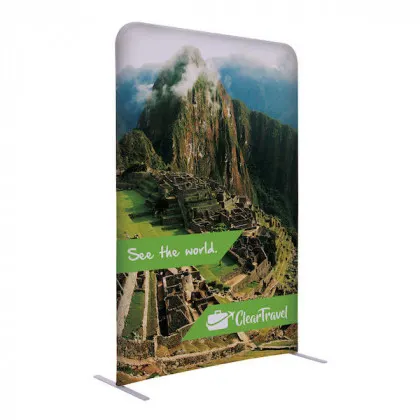
Trade Show Display |
|
|
|
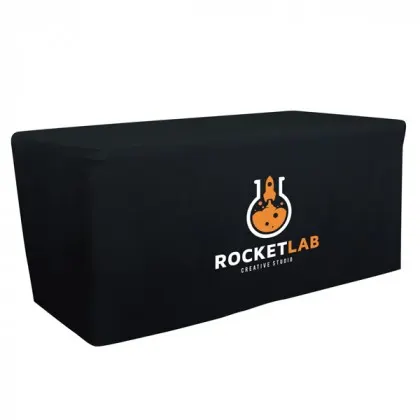
Table Cover |
|
|
|
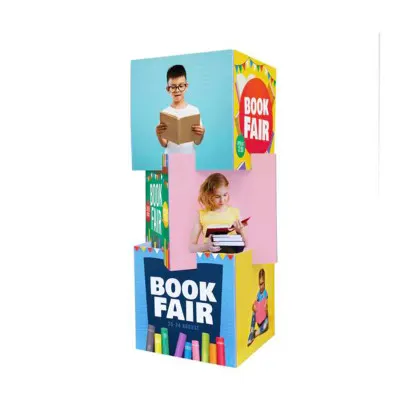
Additional Signage |
|
|
|
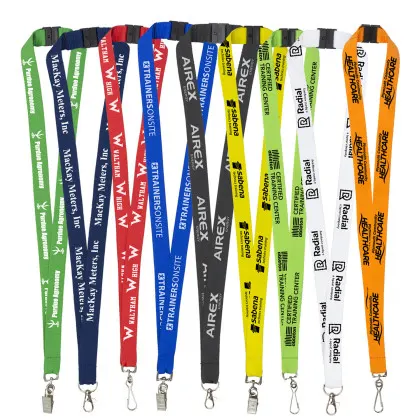
Staff Lanyards |
|
|
|
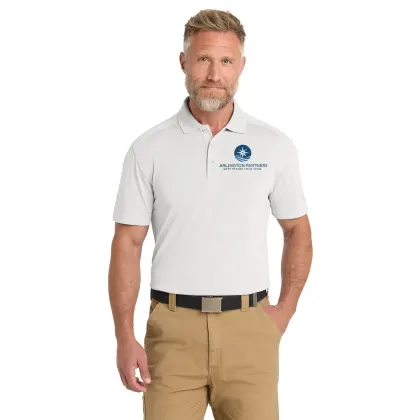
Staff Polos |
|
Imprinted CornerStone Full Color Select Lightweight Snag-Proof Polo |
|
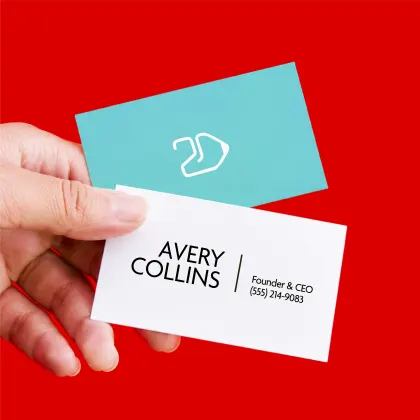
Business Cards |
|
Printed Premium Coated Business Card with Back & Front Design |
|
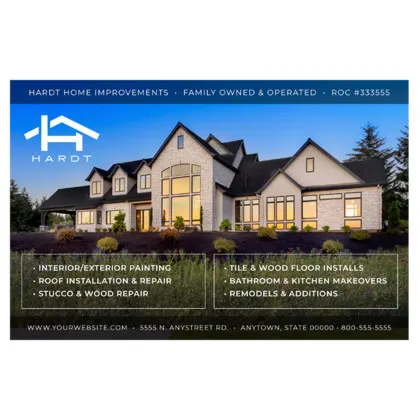
Flyers |
|
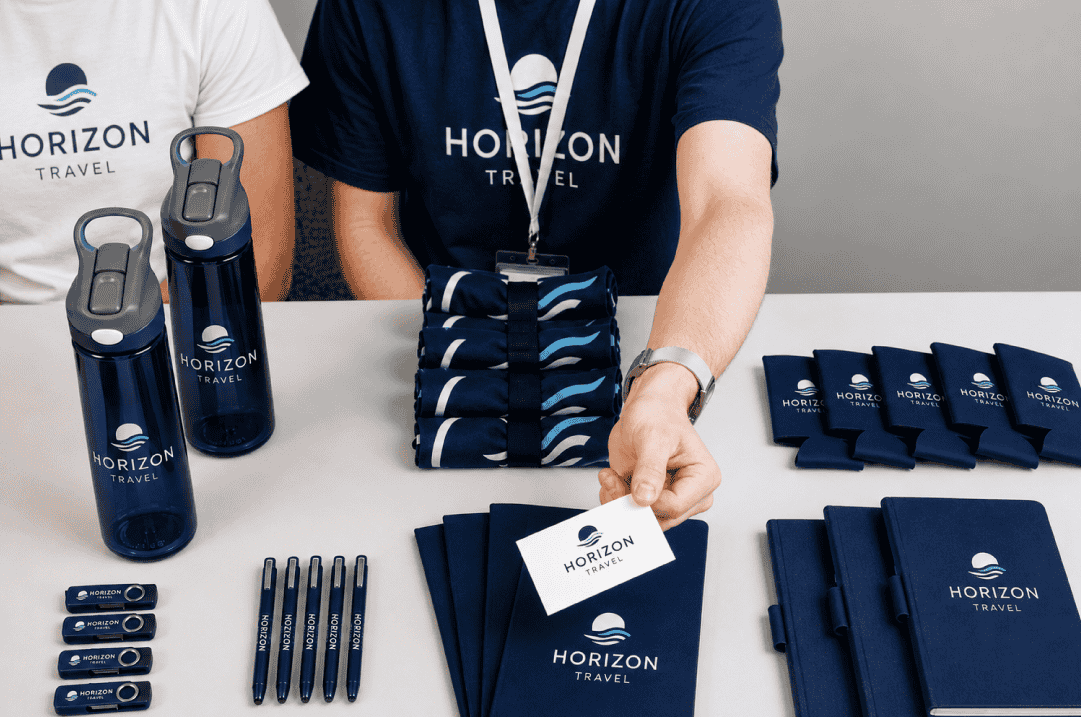
When you choose your conference giveaways, think about your audience and what they’ll likely keep. If you’re not sure, choose from some of our best-selling trade show giveaways.
|
Stress Balls |
|
|
|
Custom Tote Bags |
|
|
|
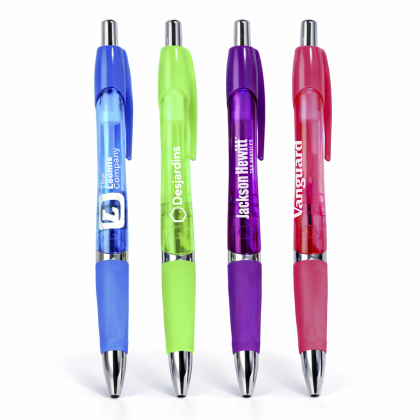
Soft Touch Pens |
|
|
|
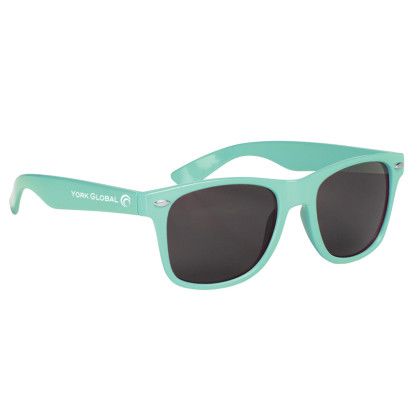
Promo Sunglasses |
|
|
|
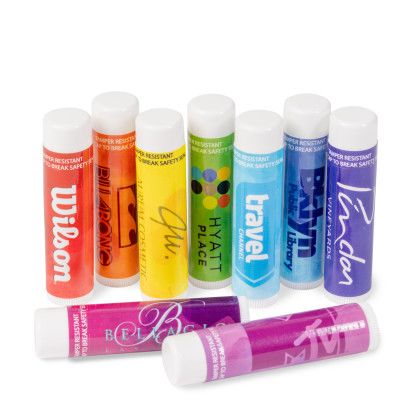
Lip Balm |
|
|
|
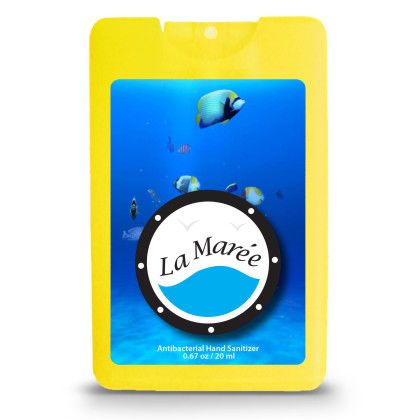
Hand Sanitizer |
Promotional Credit Card Style Antibacterial Hand Sanitizer Spray |
|
|
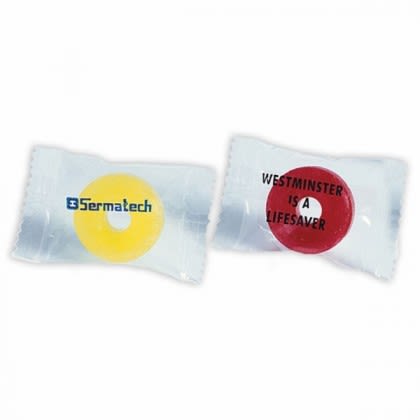
Branded Candy |
|


1. Before You Buy Anything, Set Your Goals & Budget
It’s easy to get caught up shopping for booth displays and the trendiest promotional products when you start planning for your trade show. But take our advice and define your goals first. Your goals, followed by your budget, determine everything else, like your booth size, staff count, giveaways, & follow-up plan.
Pick one primary goal. Why are you exhibiting? Is it for lead generation, brand awareness, launching a product, closing deals on-site, recruiting distributors, or maybe even something else? Your booth design and staff pitch should serve this goal.
Set a target lead count. This gives you a concrete number to measure success against afterward.
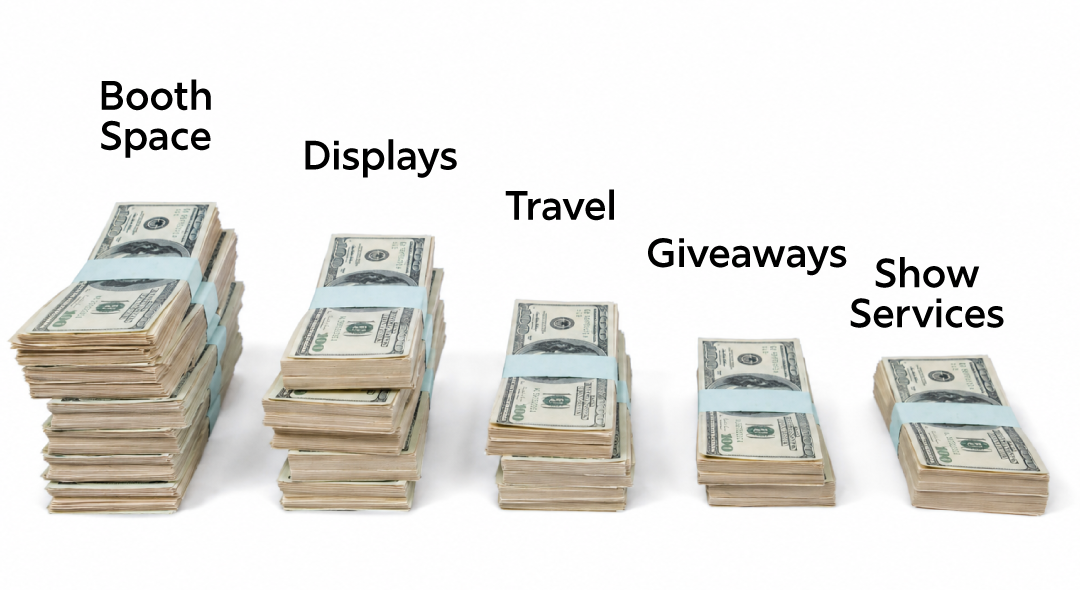
Set a total budget. A rough industry rule of thumb for a first-time small booth (10x10 ft):
- Booth space rental: $1,500–$5,000 (varies wildly by show/industry)
- Booth design/displays: $1,000–$5,000 (can go higher or lower)
- Travel, shipping, lodging: $1,000–$3,000
- Marketing collateral & giveaways: $500–$2,000
- Show services (electricity, wifi, furniture rental, labor): $500–$2,000
- Total for a modest first show: roughly $5,000–$15,000. You can do it leaner if you have to. Keep in mind that "extra" fees (drayage, electrical, internet) add up fast and often surprise first-timers.
2. The Trade Show Timeline
Give your team enough time to properly plan and budget in extra days in case of emergency or shipping delays. We highly recommend assigning a project owner internally to keep everyone on track during planning and execution. Here’s a trade show timeline checklist to keep handy:
8–12 weeks before the show
- Confirm booth space is reserved and paid. Get the exhibitor manual or service kit from show organizers. Keep this close and think of it as your bible. It has all the necessary and important information about rules, deadlines, and order forms for logistics, electrical, shipping, and booth regulations. Make sure to read it start to finish.
- Note key deadlines in the exhibitor manual. Some trade shows have early-bird shipping rates, booth furniture order deadlines, and badge registration cutoffs.
- Decide on your booth size and location if it’s not already locked in. PRO TIP: Corner booths and high-traffic aisles cost more but get more foot traffic.
- Start thinking about your booth design and graphics (more in Section 3). This will likely have the longest lead time.
- Book flights and hotels for staff. Prices rise closer to show dates, and host hotels sell out.
6–8 weeks out
- Finalize and order booth displays, banners, signage.
- Order branded merchandise, company swag, and promotional giveaways, like tote bags.
- Design and order printed marketing materials like brochures, one-pagers, business cards.
- Confirm your booth staff and register staff badges.
- Check if you need general liability insurance. Many shows require a certificate of insurance (COI).
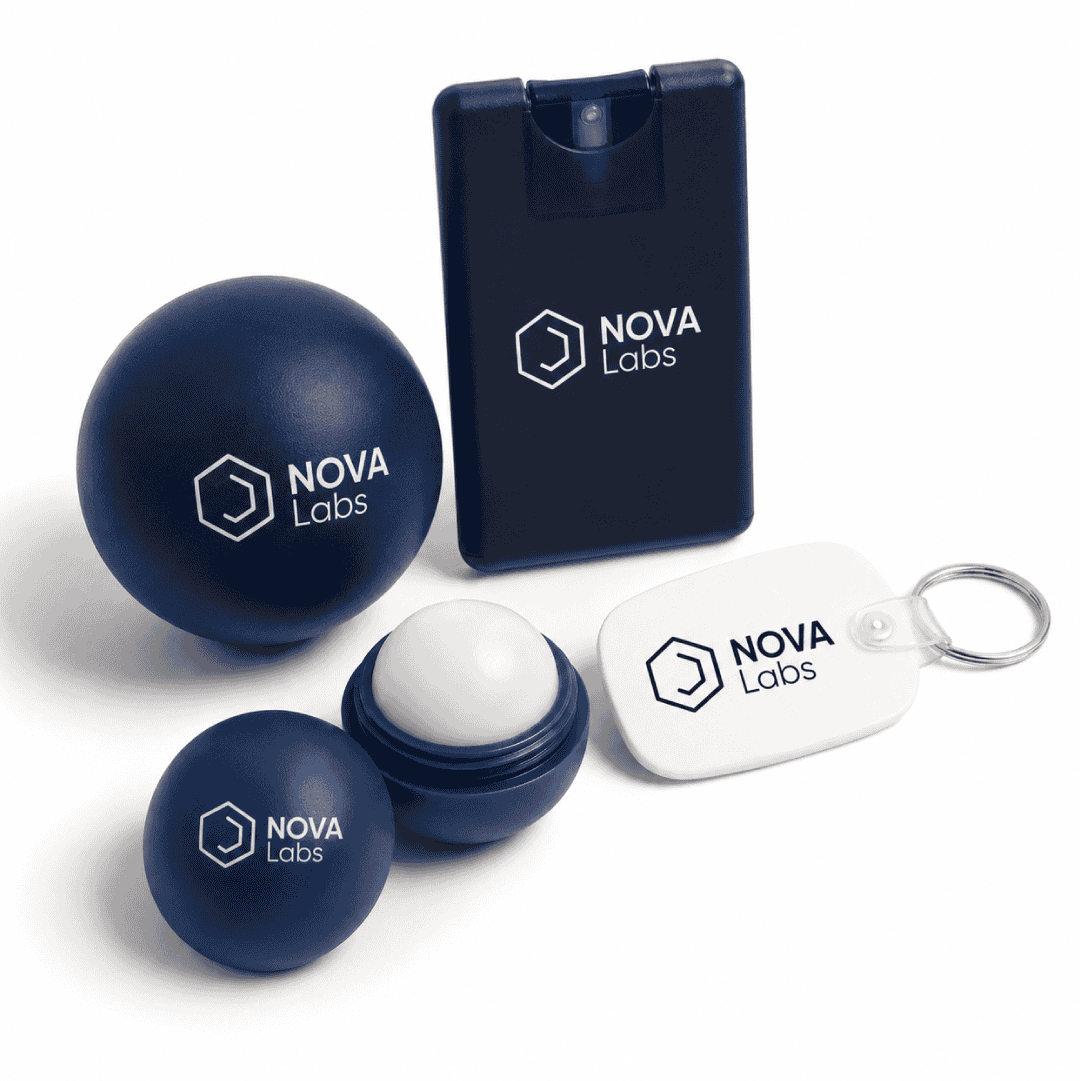
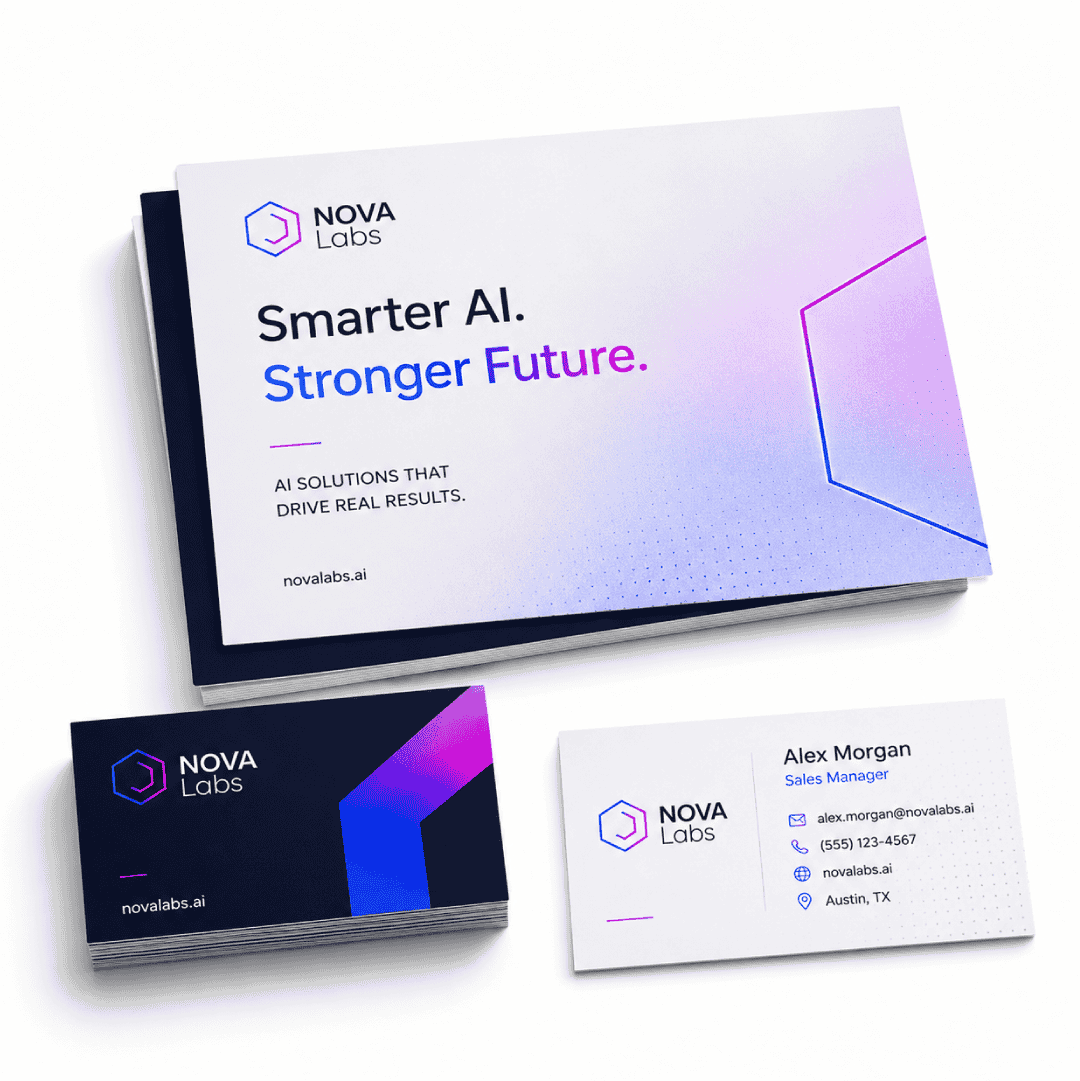
Did you know 4AllPromos has all your trade show needs in one place?
|
Booth Displays |
Trade Show Giveaways |
Printed Marketing Materials |
|
|
|
|

4–6 weeks before
- Finalize your lead capture method (more in Section 6).
- Set up a pre-show marketing push. Coordinate emails to your customer list, post on social media, and tell prospects to "come see us at our booth”.
- If doing an on-site promotion like a raffle, demo, or hosting a happy hour, finalize logistics and any needed permits or reservations.
- Order shipping labels or arrange freight shipping for booth materials. PRO TIP: Advance warehouse shipping is usually cheaper than direct-to-show.
- Hold training sessions for your booth staff.
2–3 weeks before
- Confirm shipment tracking. Advance warehouse shipments usually need to arrive by a set deadline, often 2-4 weeks pre-show.
- Print final materials, pack a booth "go box" (see Section 8).
- Reconfirm hotel, flights, and ground transportation.
- Do a final run-through with staff. Make sure everyone knows the pitch, goals, lead process, and who's covering which shifts.
Week of the show
- Travel in a day or two early to set up your booth. Refer to your exhibitor service manual for move-in day and time. It is usually the day before the show opens.
- Test all your tech and make sure it is charged. Try your tablets, card readers, monitors, and wifi hotspot.
- Walk the floor before it opens to see where you are relative to competitors and traffic flow.
During the show
- Always have someone "on point" at the front of your booth.
- Make sure booth staff follows the shift schedule. Plan breaks to eat, walk the floor, and recharge.
- Capture leads consistently.
- Take photos and video of the booth and team for future marketing campaigns and social media.
- Debrief with the team each evening. Go over what's working, what's not, and adjust the pitch if necessary.
Immediately after the Trade Show (within 48 hours)
- Pack up booth and arrange return shipping.
- Export and organize all captured leads.
- Send a quick internal recap while it's fresh. Let the team know what worked and what to change next time.
1 week after the Conference
- Follow up with every lead. You can segment by hot/warm/cold when possible to give sales staff a better idea of next steps.
- Calculate ROI by looking at the leads captured, cost per lead, any closed deals, vs. total spend.
- Document the lessons learned for next show or conference. Make notes of what to buy once, what to skip, and what surprised you.

3. What to Buy to Build Your Trade Show Booth
Trade Show Displays & Booth Signage
You need a core display for your booth. When planning your first trade show, you can choose based on your budget, but also consider the frequency of use.
- Pop-up banner stands ($100–$300 each) are the cheapest option, good for a first show or occasional exhibitors
- Pop-up fabric backdrop or tension fabric display ($500–$2,000) — sturdier, more professional, reusable
- Modular/custom booth structure ($3,000+) — only worth it if you'll exhibit repeatedly
According to our own order history data, most first-time exhibitors don't need a custom-built booth. The 2' × 6' Straight Tension Fabric Display was by far our most frequently ordered display during the past year.
Why is the 2' × 6' Straight Tension Fabric Display the trade show display we sell most?
It’s portable, professional, reusable, and easy to ship and transport. These displays are great to get started. They’re affordable compared to a full custom booth build, and while it’s a smaller display, you can use it as a sign to draw people in, and when the budget permits, add additional display components.

If you're exhibiting in a standard 10×10 booth, a quality fabric backdrop plus a branded table throw is usually all you need.
Furniture and Structures
Furniture and booth structures are often rentable through the show's official vendor. Check the exhibitor manual before you invest in buying and shipping your own furniture to the show. The furniture we recommend having at your booth includes:
- At least one table and chairs
- Counter or kiosk for literature or a laptop
- Carpet or custom floor mats. Double-check to see if your show requires booth carpeting. Sometimes it’s included, other times it’s an extra fee.
- A Charging station or shelf for devices. If you don’t have power, invest in power banks to keep tablets and devices powered throughout the day.
Additional Signage
As mentioned earlier, most first-time exhibitors aren’t buying modular trade show displays. That doesn’t mean you still can’t stand out. Use custom signage, banners, and table covers to draw eyes to your booth.
Make one large, readable-from-a-distance sign with your company name and logo. This is what gets people to notice you exist. A clear, short tagline answering "what do you do" in 5 words or less will give people a skim while walking through.
PRO TIP: Avoid dense paragraphs and busy graphics on booth signage. Nobody stops to read a wall of text. You want your company name and logo to be the star of the show.
Tech to Make Your Booth Efficient
Depending on the goals you’ve set for your trade show, having extra tech might make achieving them a bit easier. Using tablets or laptops for lead capture will instantly put your prospects into your CRM system. If you’re launching a product and selling it at the show or taking pre-orders, a card reader or payment device is a must.
While most venues provide WiFi, it’s still recommended to bring a portable wifi hotspot as a backup. Wifi at large expos is often unreliable or costly. Remember to pack power strips and extension cords, too. Not that electrical is sometimes a paid add-on, and outlets are rarely where you need them.
4. What Our Research Says Thousands of Trade Show Exhibitors Actually Buy
We reviewed a year's worth of customer orders to find trends that will help you plan your first trade show. The most popular promotional products weren’t high-tech gadgets. The most popular trade show giveaways were practical items.
What do companies actually buy when they're preparing for a trade show? Our data, paired with market research, shows that people will keep and reuse items, even with another company’s logo on them, when they provide functional value.
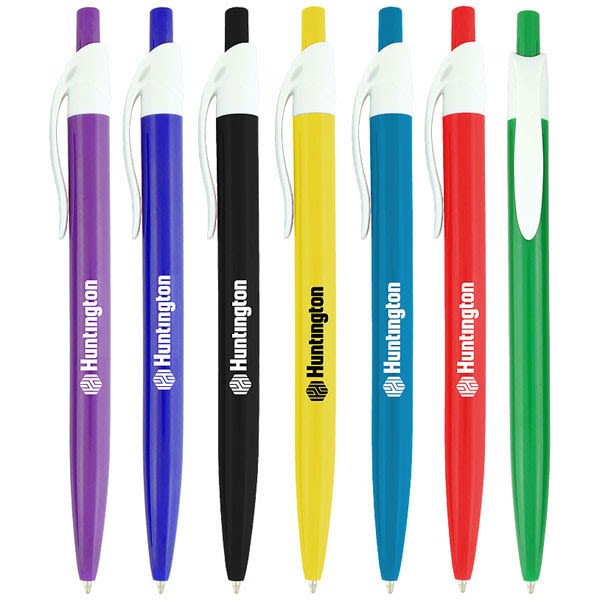
Over the last year, two styles of sunglasses alone accounted for more than 3,300 trade show customer orders. Sunglasses, lip balm, pens, hand sanitizer, and drinkware all provide repeated brand exposure long after someone leaves your booth.
|
Your Goal |
Recommended Product |
Our Top Seller |
|
Maximum reach |
Pens |
|
|
Outdoor shows |
Sunglasses |
|
|
Health & wellness |
Lip balm |
|
|
Long-term visibility |
Water bottles |
|
|
Family-friendly events |
Stress relievers |
|




How Much Swag Should You Order?
For broad brand awareness at a large public expo, you'll need more giveaways than if you're attending a niche B2B conference where you're focused on having meaningful conversations with qualified prospects.
Larger trade shows are busier, and not everyone will pass your booth and grab your company swag. For shows expecting thousands of attendees, we’d recommend ordering enough promotional items for 25-40% of the attendees.
For smaller shows, estimate a larger percentage of attendees will walk by and stop at your booth. In our experience, 60-75% of attendees may stop for swag at smaller shows. Order different types of swag for brand awareness giveaways versus what you’d give to a prospect that had a meaningful conversation at your booth.
As you exhibit at more events, you'll develop a better feel for attendee engagement and giveaway quantities. Keep notes after each show on what you brought, what ran out, and what came home with you. Those lessons will make planning your next event much easier.
5. Staffing Your Booth & Booth Behavior
A beautiful booth won't help if visitors don't feel comfortable approaching it. Train everyone working the booth to stand near the aisle and avoid sitting. You want to look inviting and engaged. Phones should be kept out of sight too. At the end of the day, people buy from people, not displays.
When planning your booth staff, keep in mind:
- Your staff-to-booth-size ratio. You want roughly 2 people per 10x10 booth so someone can always be "on," with breaks covered.
- Train on the pitch is mandatory. Everyone should be able to explain what you do in one sentence and qualify a visitor in under a minute.
- Ask open-ended questions like "What brings you to the show?" instead of "Can I help you?" to encourage conversation.
- Teach staff how to qualify quickly. They need to be able to go deep or politely move people along. You can't have a 20-minute conversation with everyone.
- Assign roles and delegate responsibilities. It’s easy to keep things moving when you have a greeter, demo giver, and lead logger. When the trade show floor gets busy, it’s easy to lose track. This keeps things organized.
6. Lead Capture
For most exhibitors, capturing leads is the actual point of the trade show. Don't leave your methods to memory or pin your hope to a call back from a stack of business cards. These days, many expos and trade shows have attendees wear badges. Sometimes a lead retrieval scanner or app rental is available, and all you need to do is scan an attendee’s badge to gather their info. This is usually the most efficient method, but you need to budget for it.
A more budget-friendly option is to have a simple form on a tablet. You can make a Google Form, Typeform, or use your CRM's mobile app. The booth staff fills out the forms during or right after each conversation.
Some booths have tablets set up for interested parties to add their own information, but having staff follow up the entry allows you to capture more than contact info. After the prospect leaves, staff should note their specific interest or pain point while it's fresh. Just getting their email leads to far lower conversion rates than when you can follow up with specific information about their interests.
Trade shows are long days. Even if all you want to do is take a week-long nap afterward, it’s important to get leads into your CRM within days. Interest decays fast after a show ends.
7. What to Expect So Nothing Catches You Off Guard
- Move-in is chaotic. Loading docks are busy, carts are scarce, and everything takes longer than planned. Arrive early.
- Unexpected fees are common. Drayage (moving your freight from the dock to your booth), electrical, internet, and booth cleaning are often separate line items not included in your booth rental. This is why the exhibitor manual needs to be read cover to cover. Know the price list in advance so you're not surprised.
- Union labor rules apply at some convention centers. In some cities and venues, you legally cannot set up your own booth beyond basic hand-carried items. You must hire union labor for electrical or heavy lifting. Note that this adds not only to cost but also to the time of your setup.
- Expect traffic to be uneven. There will be slow patches and rushes. Don't panic during lulls, use them to refine your pitch or restock.
- Not everyone is a lead. Expect a mix of genuine prospects, competitors scoping you out, students, and people just there for the free pens. That's normal.
- You'll be tired. Multi-day shows with 8-10 hour floor days are physically demanding. Pace yourself and your staff, and be kind.
8. Make Your "Go Box" with the Small Things People Forget
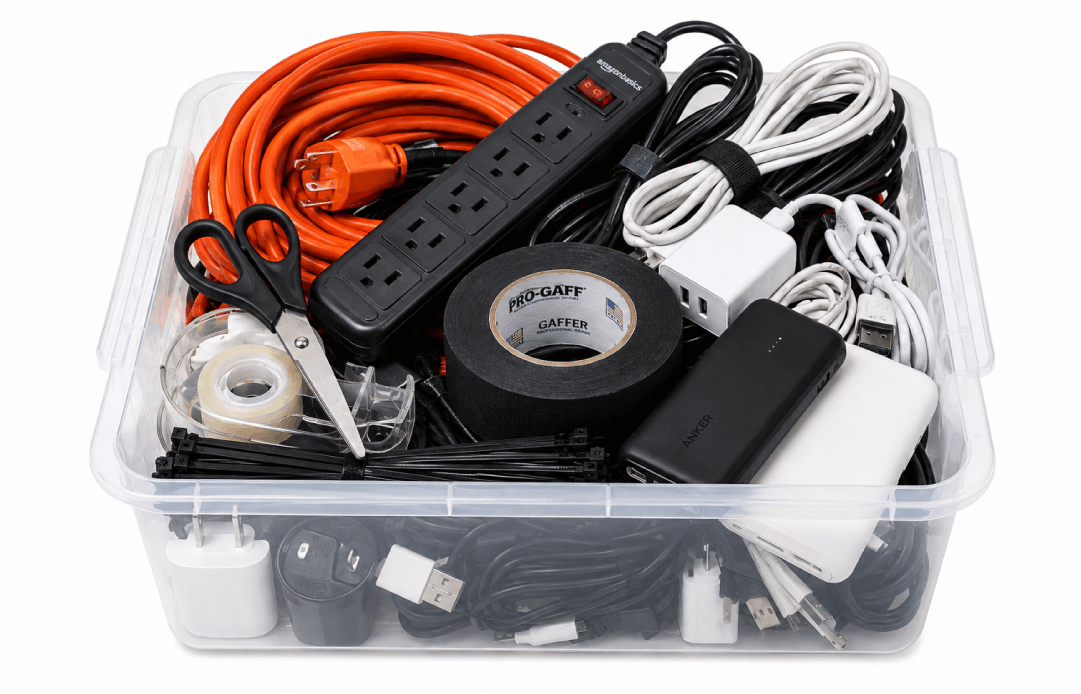
Pack a bin with all the little odds and ends that are easy to forget. Add extension cords, power strips, and gaffer tape (this is like duct tape made specifically to hold cables down. It’s required by many venues for safety). Scissors, scotch tape, and zip ties are always helpful too.
Bring extra business cards and more brochures than you think you need. Make sure to have your branded pens, notepads, and cleaning wipes for screens and glasses.
When it comes to your tech gear, add your phone chargers and portable battery packs. We also recommend keeping a small cooler of snacks and water for staff. Booth days are long, and show floor food is expensive.
We also recommend wearing comfortable shoes. Standing 8+ hours on concrete is tough. Lastly, make a printed copy of the exhibitor manual and your shipping or tracking info.
9. The Absolute Minimum Checklist
If you strip this down to bare essentials for a small first booth:
- Book booth space + read exhibitor manual
- Order pop-up banner or backdrop with logo + one-line pitch
- Buy or rent a table, chairs, & tablecloth
- Make Business cards + printed marketing materials
- Decide on and create your lead capture method
- Schedule staff with 2+ people per shift, all trained on the pitch
- Pack your Go box (cords, tape, chargers, snacks)
- Shipping arranged both ways
- Follow-up plan ready before the show even starts
To learn more about planning your trade show strategy and for an extensive checklist, check out our trade show strategy guide.
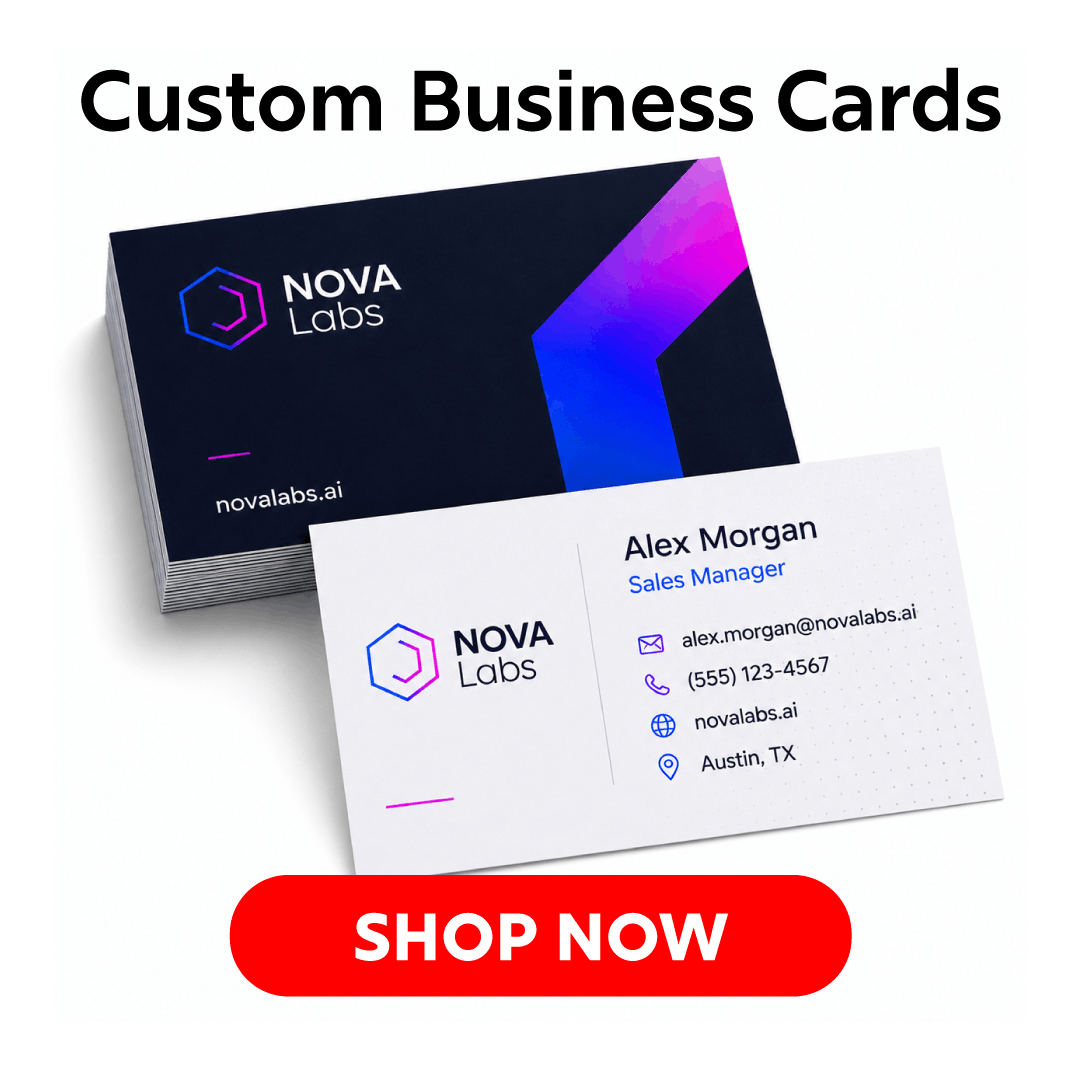
Order Business Cards |
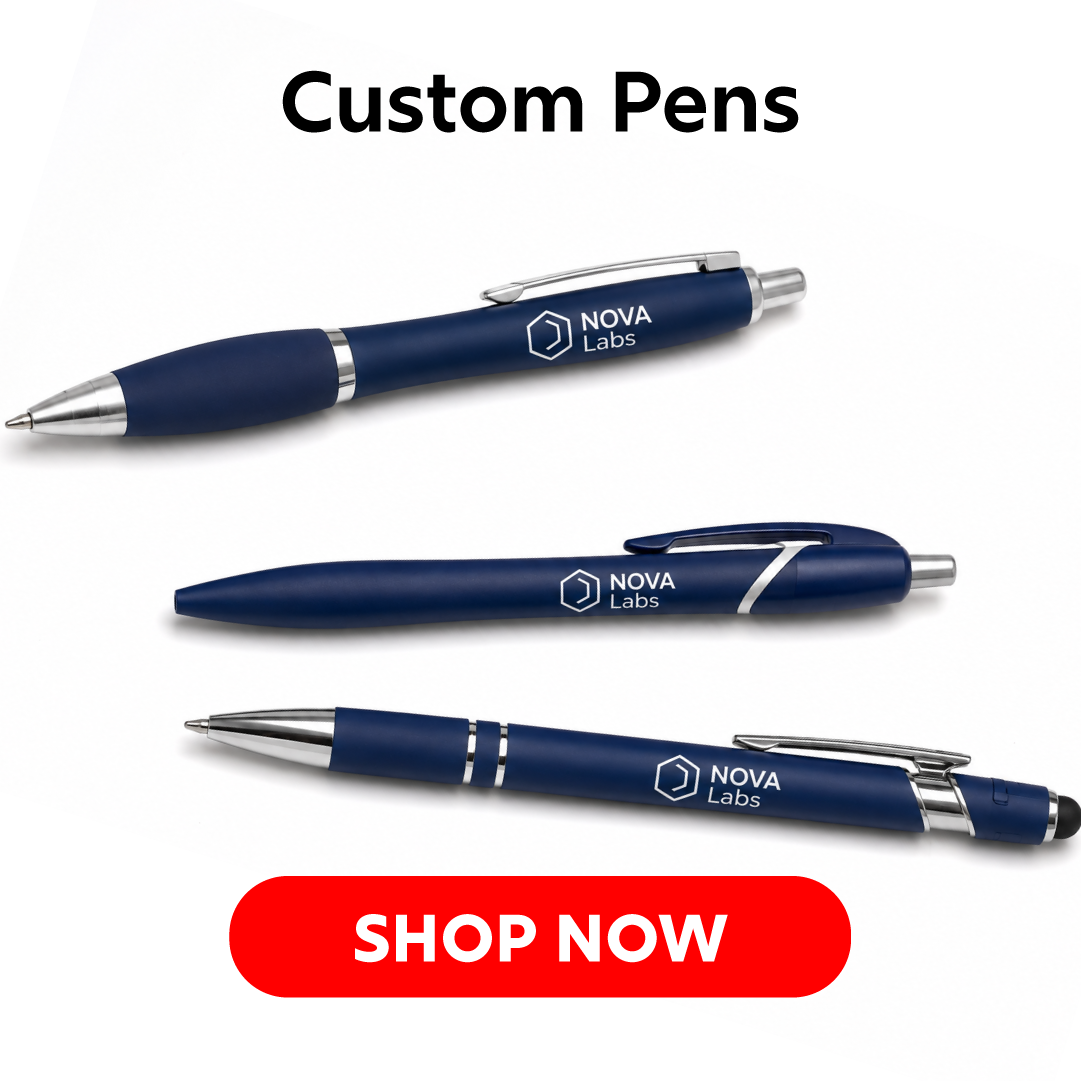
Get Promotional Pens |
Browse Stress Relievers |
|
|
|
|

Get Ready for Your First Trade Show with 4AllPromos
Your first trade show doesn't have to be perfect, but you have to be prepared. After reviewing our own customer purchasing data, one thing became clear: successful exhibitors don't necessarily buy the biggest booths or the most expensive giveaways. They invest in practical displays, useful promotional products, and a clear plan for engaging visitors.
Focus on planning, training your team, and following up quickly. You'll leave your first trade show with something far more valuable than a box of leftover brochures. You'll leave with a process you can improve for every event that follows.
Need help choosing promotional products?
We've helped businesses prepare for trade shows for more than 20 years. Whether you need a booth display, giveaways, printed materials, or help staying on budget, we're happy to help you build a package that fits your goals.
|
|
|
|